Dr K
89 Years Young — Still Climbing Mountains
It was a brutally hot Sunday morning.
I ran into a hiker near the...
No Guiding Fee. Cup ramyeon Treat at the Summit.
We’re going up, up, up. It’s our moments. You know together we’re climbing.
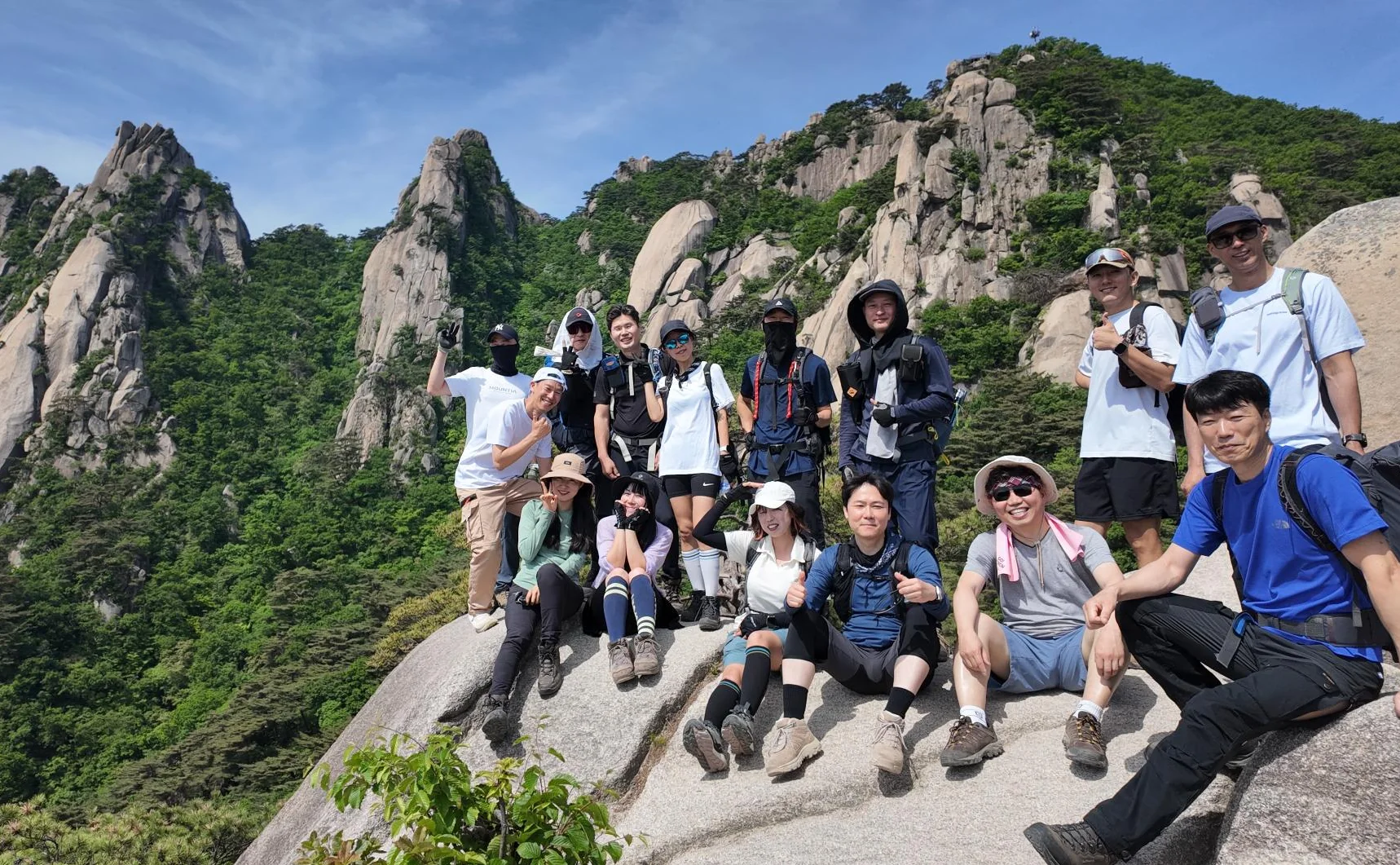
Choose a hiking trail. To learn more about each trail, click the Trails and Trail Preview menus.
Click the "Join a Free Hike" button.
Choose your preferred hiking date and trail
Receive a confirmation message from Dr. K.
Meet at the designated subway station, then begin the hike together.
Along the way, enjoy breathtaking views as Dr. K shares cultural and historical insights that bring the landscape to life.
At the summit, enjoy a warm cup of ramyeon with all of Seoul spread out below you.🍜
Optional: Enjoy a meal together after the hike. Meal costs are shared among participants.
Regular hiking days: Wednesdays, Saturdays, and Sundays
Other days are welcome — just request and we'll work it out. Non-regular day requests will be confirmed within 2 days. For more info, please refer to the FAQ section.
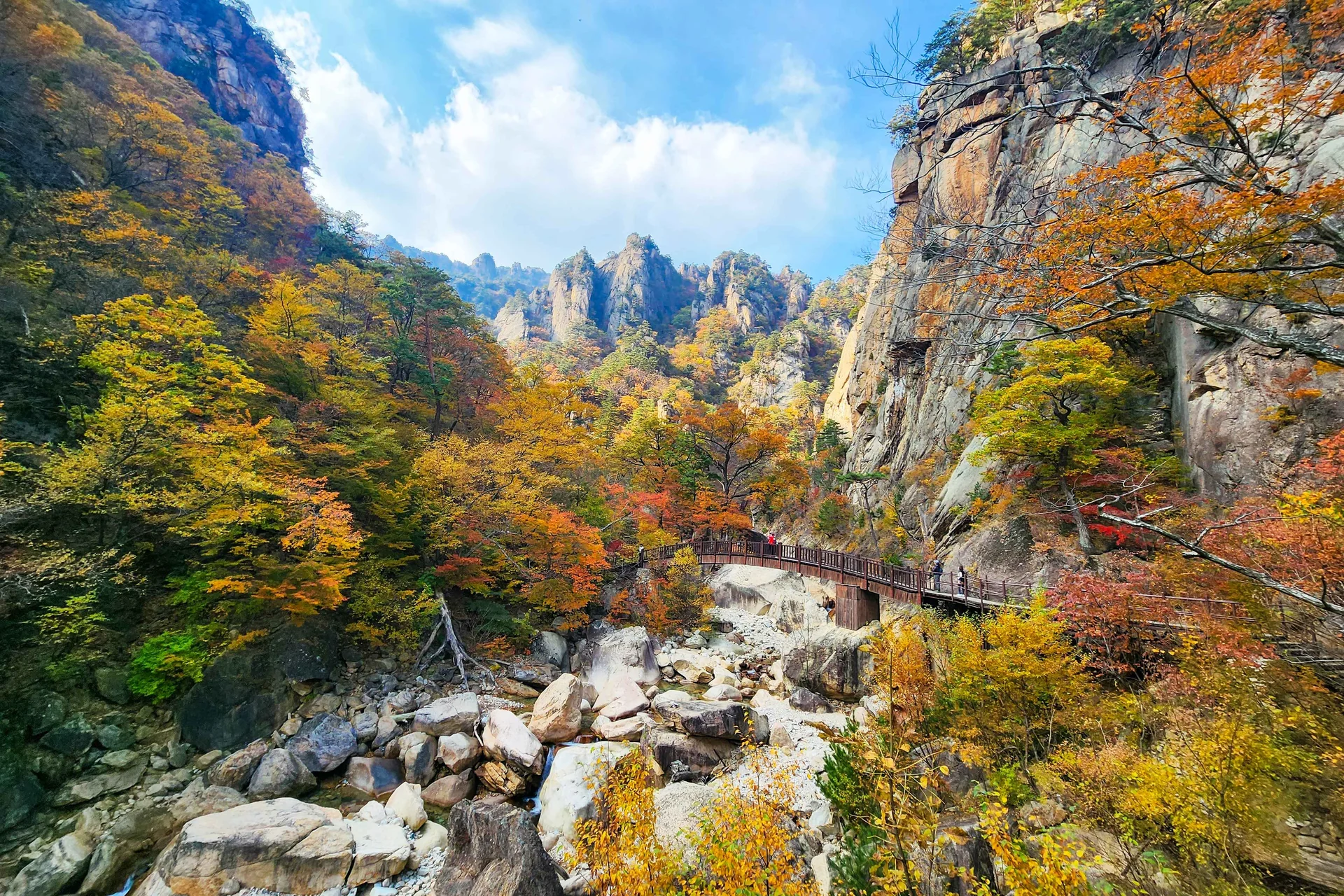
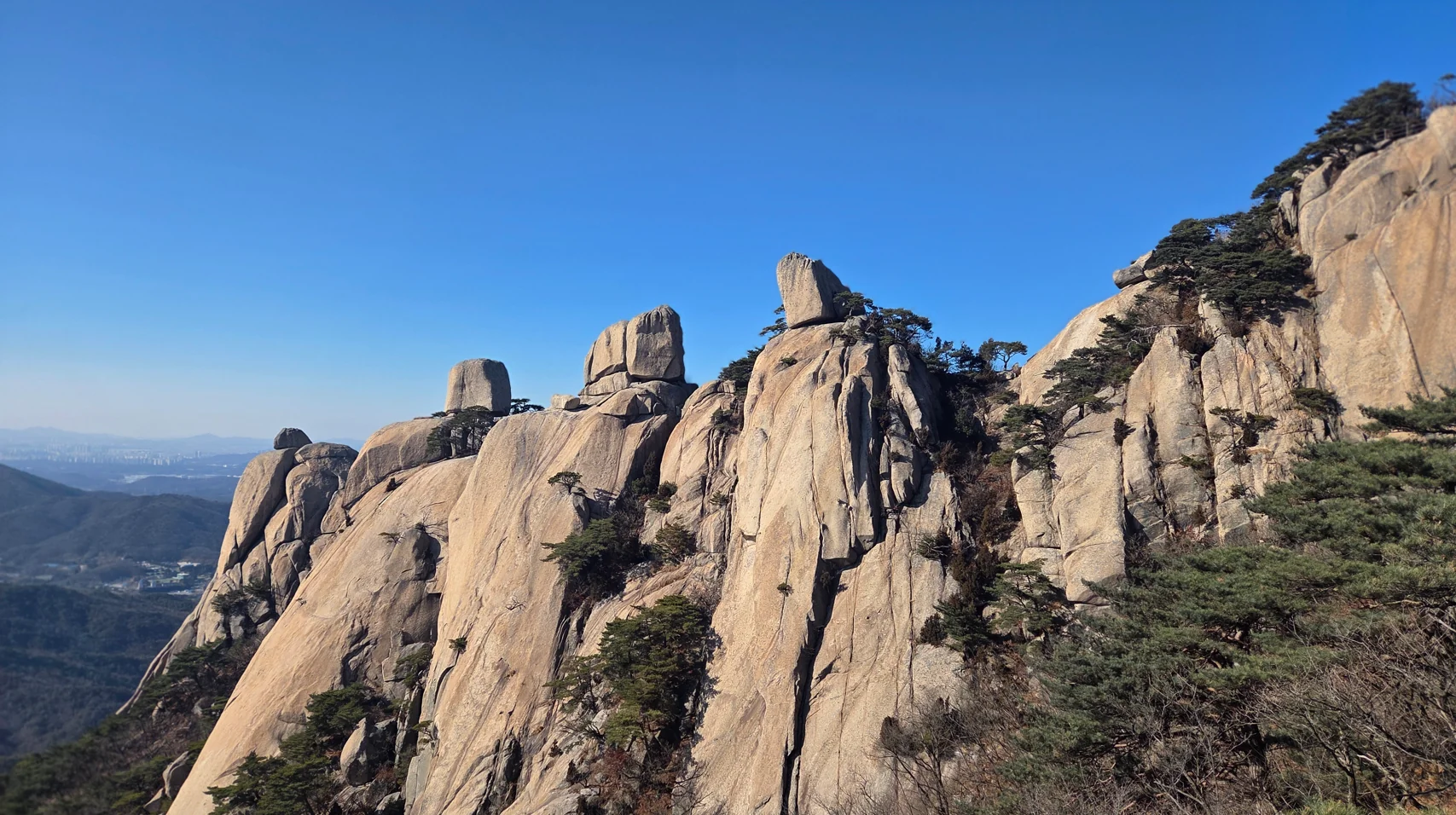
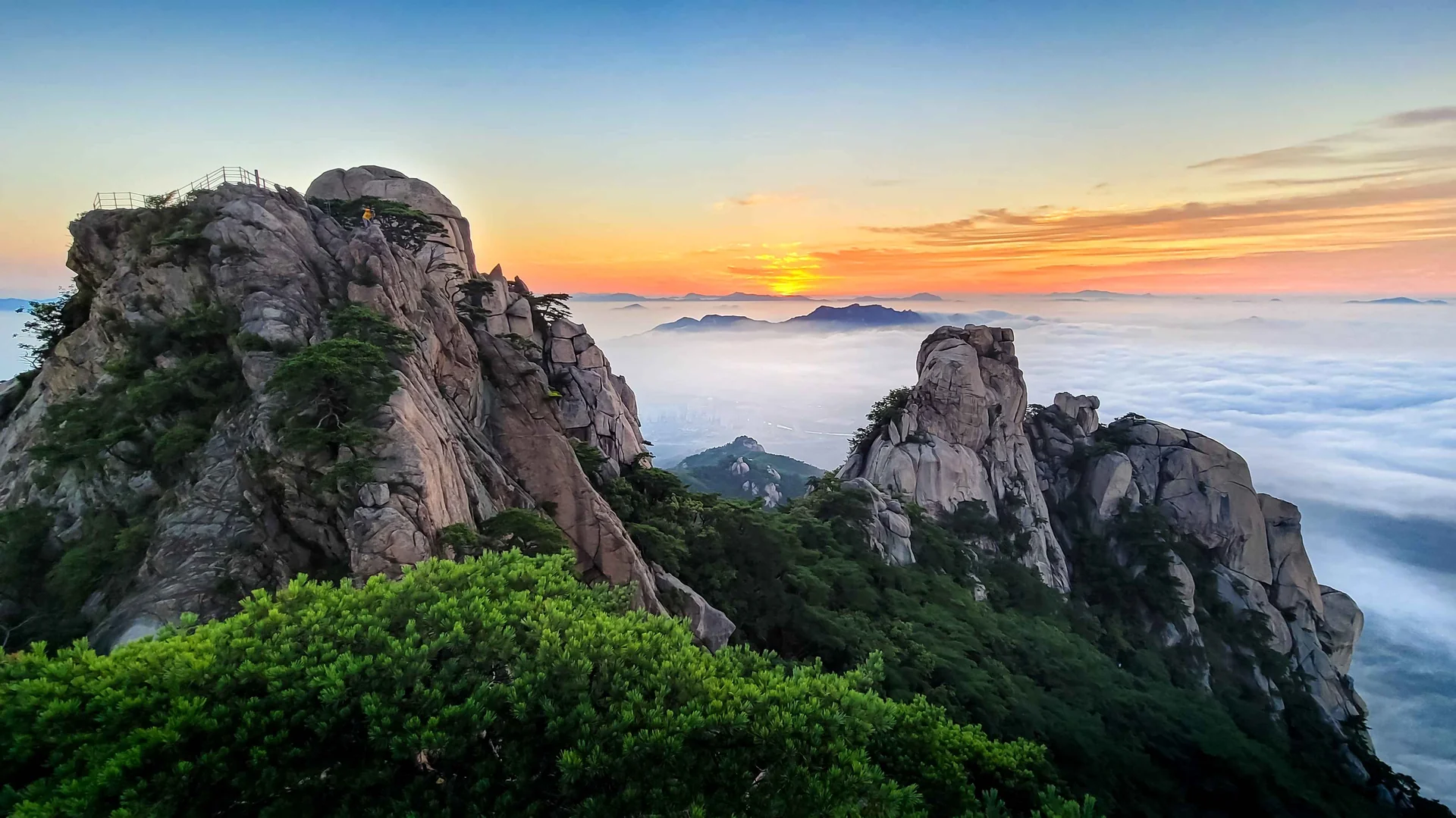
In Korea, Mountains Aren’t Just Seen—You Experience Them with Every Step.
5 trails · Moderate to Challenging
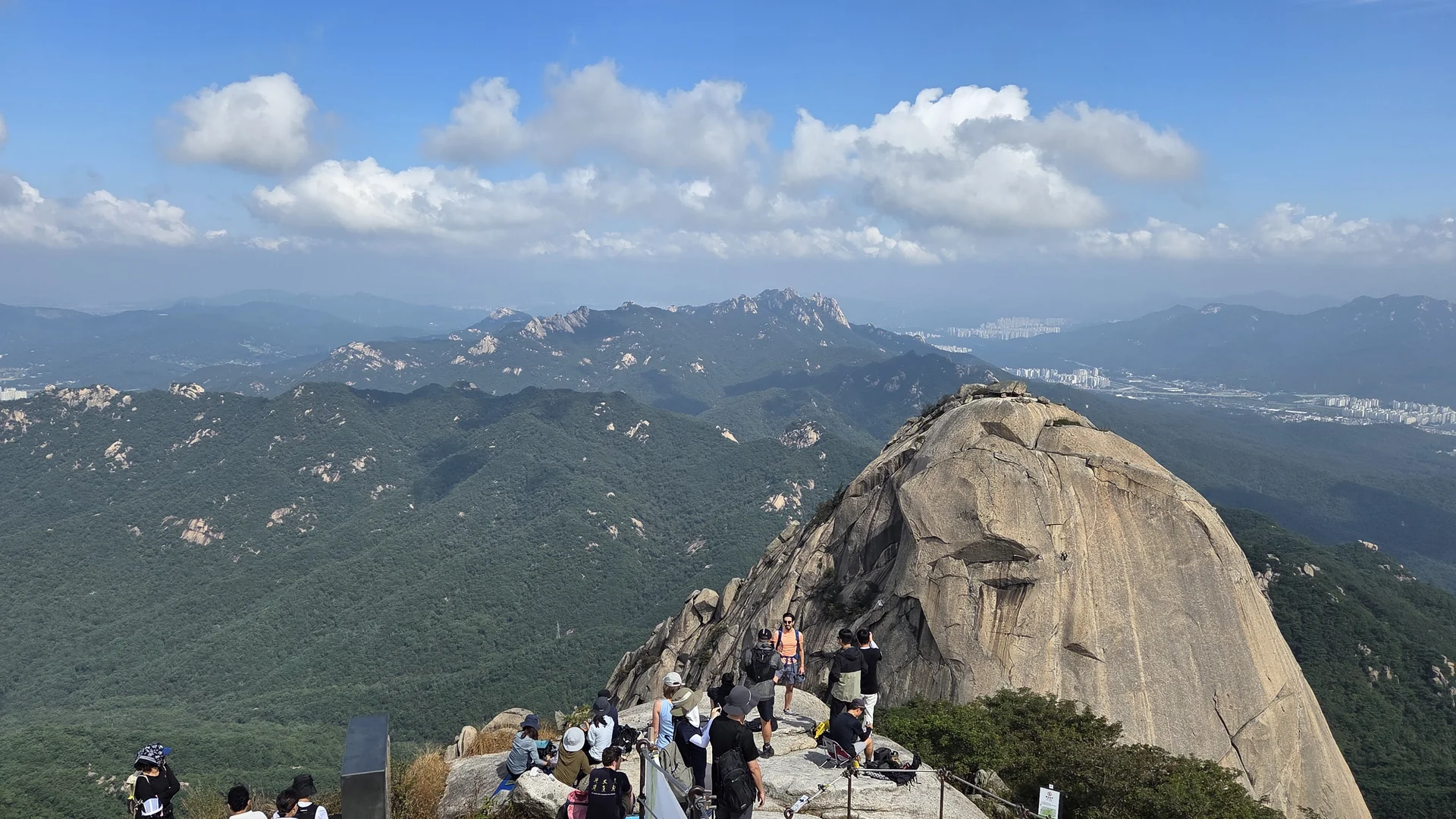
Fastest and most popular route to Baegundae
📷 From Baegundae, Insubong Peak dominates the view, with Dobongsan visible far beyond
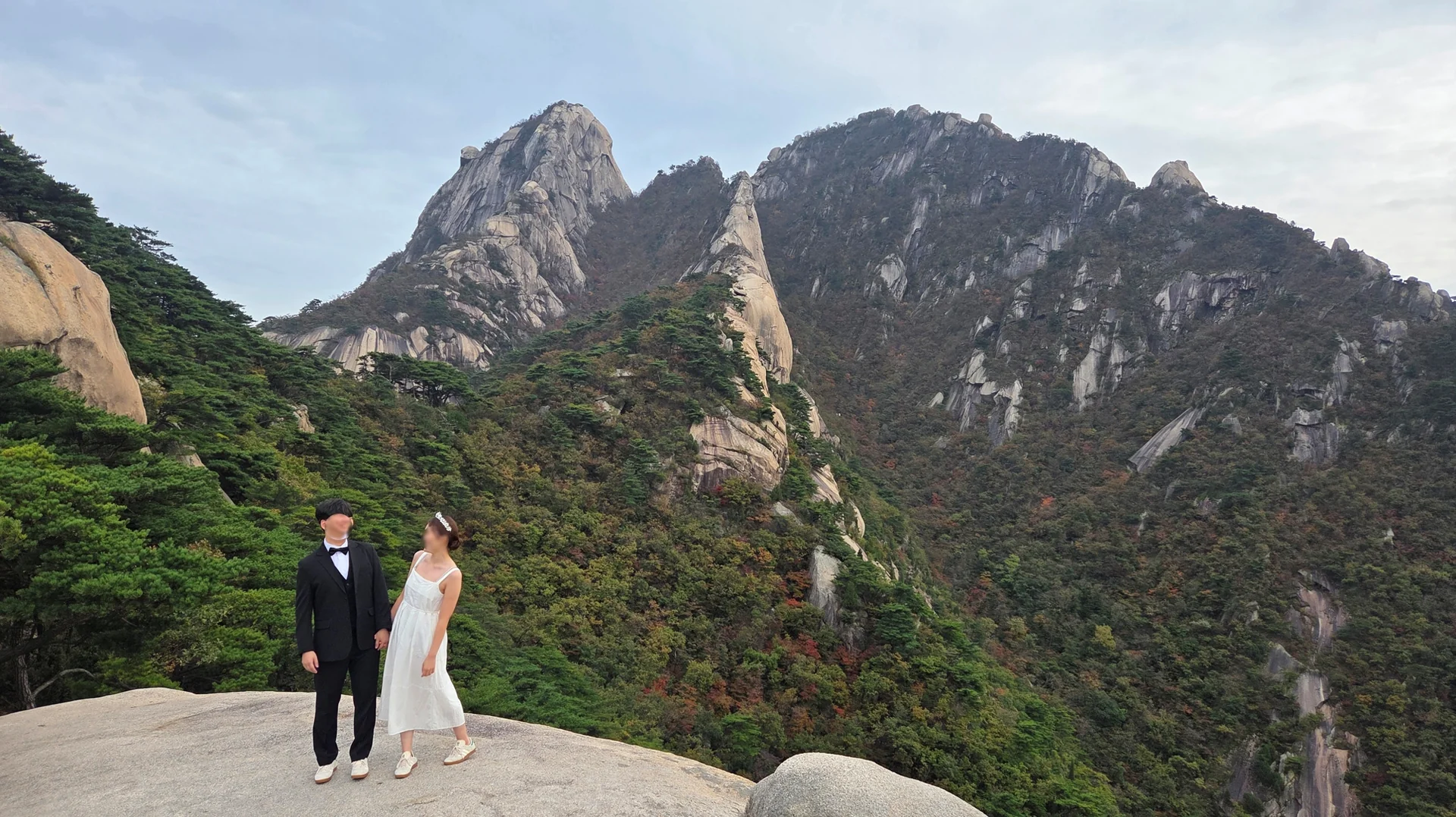
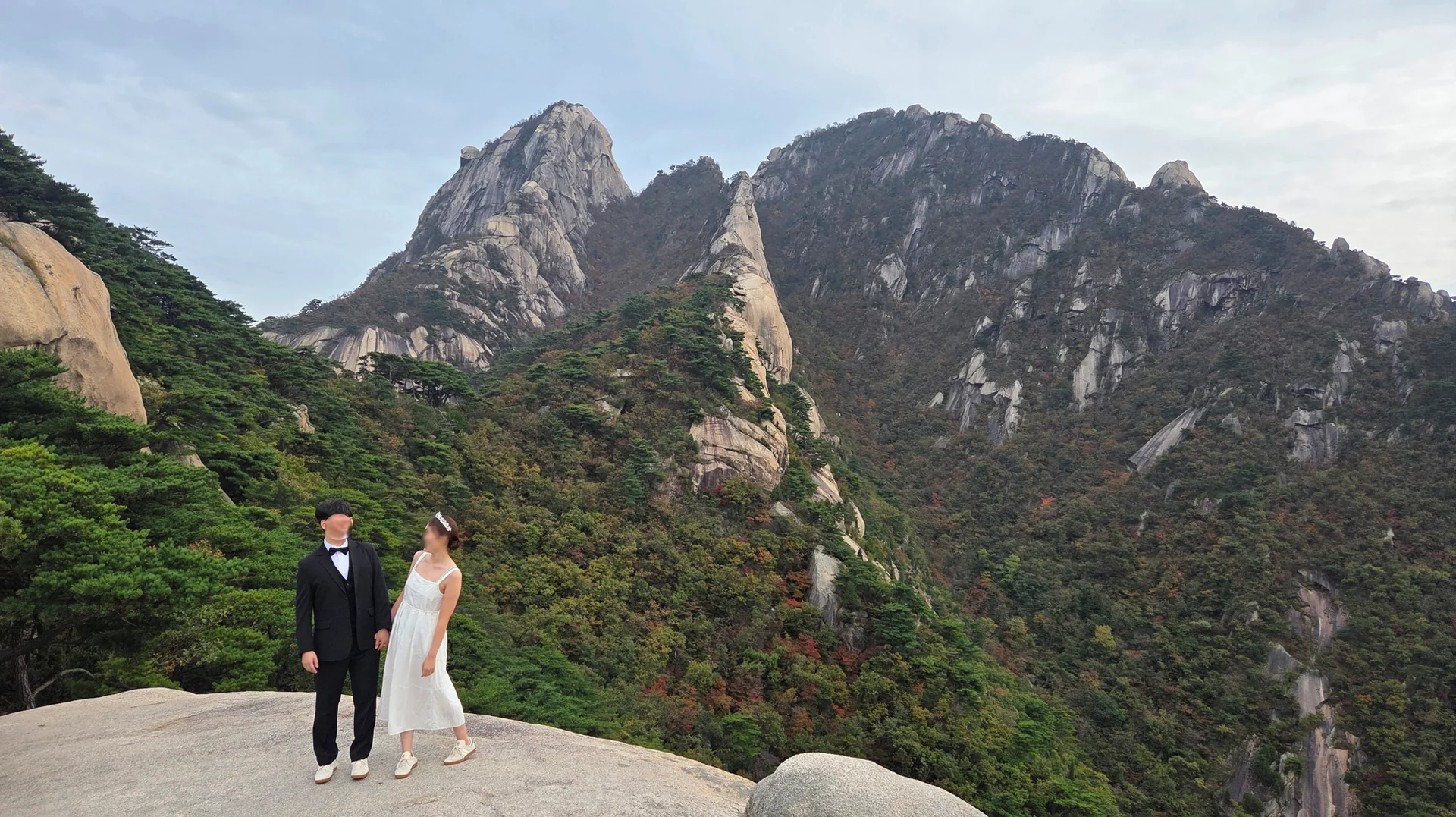
Hidden Wall (Sumeunbyeok) to Baegundae
📷 A wedding photoshoot—all the way up here!
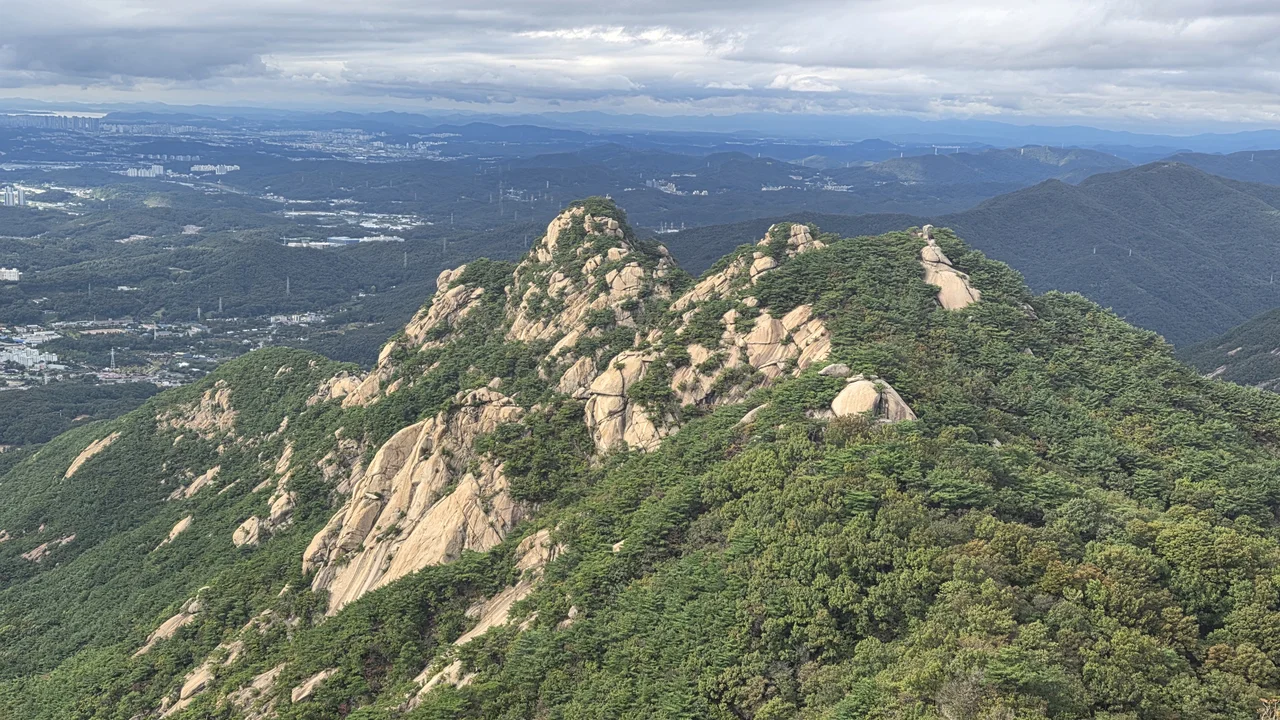
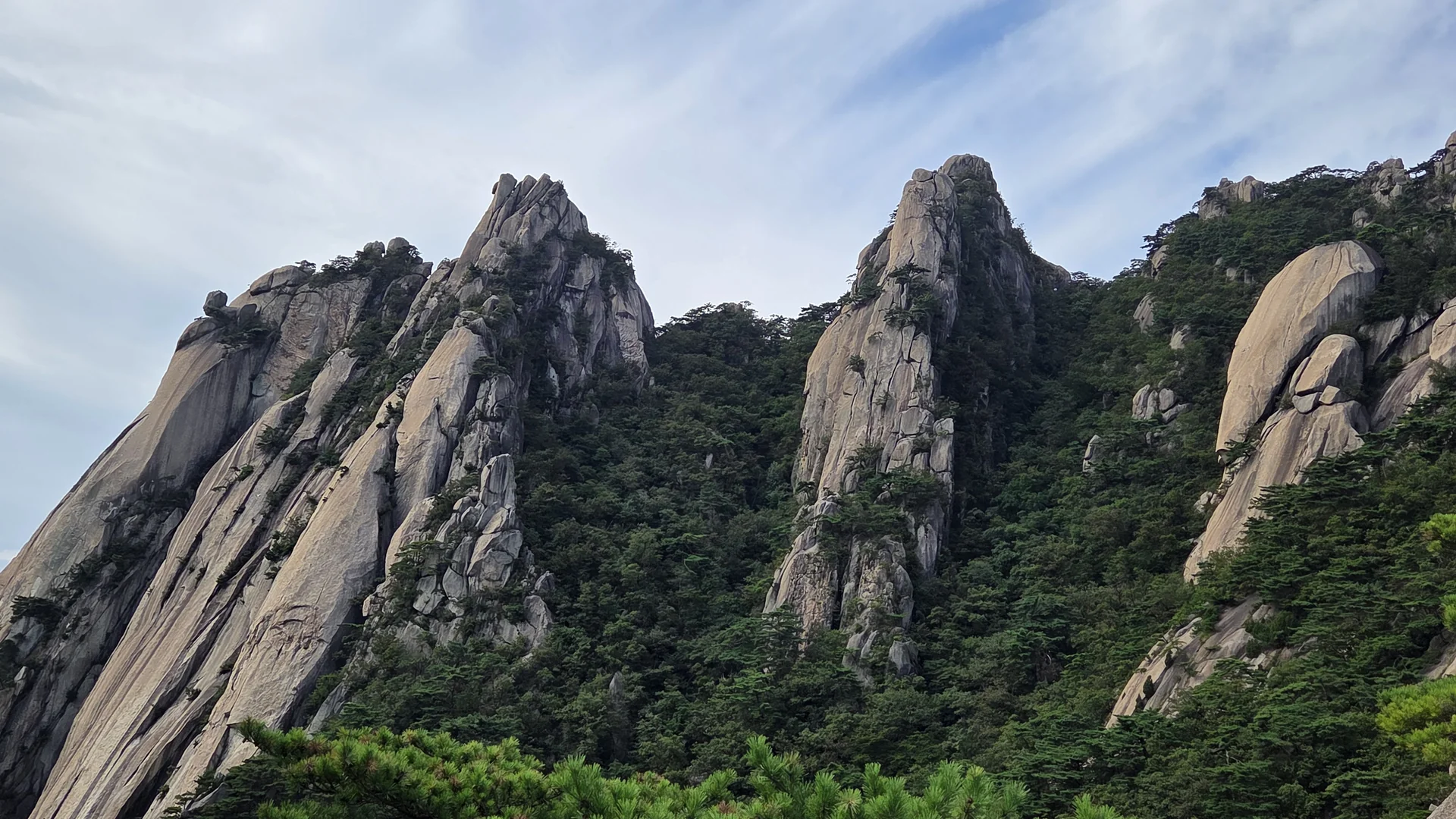
Stunning Uisang Ridge Trail
📷 The lower section of the Uisang ridge, resembling the spiked back of a dinosaur
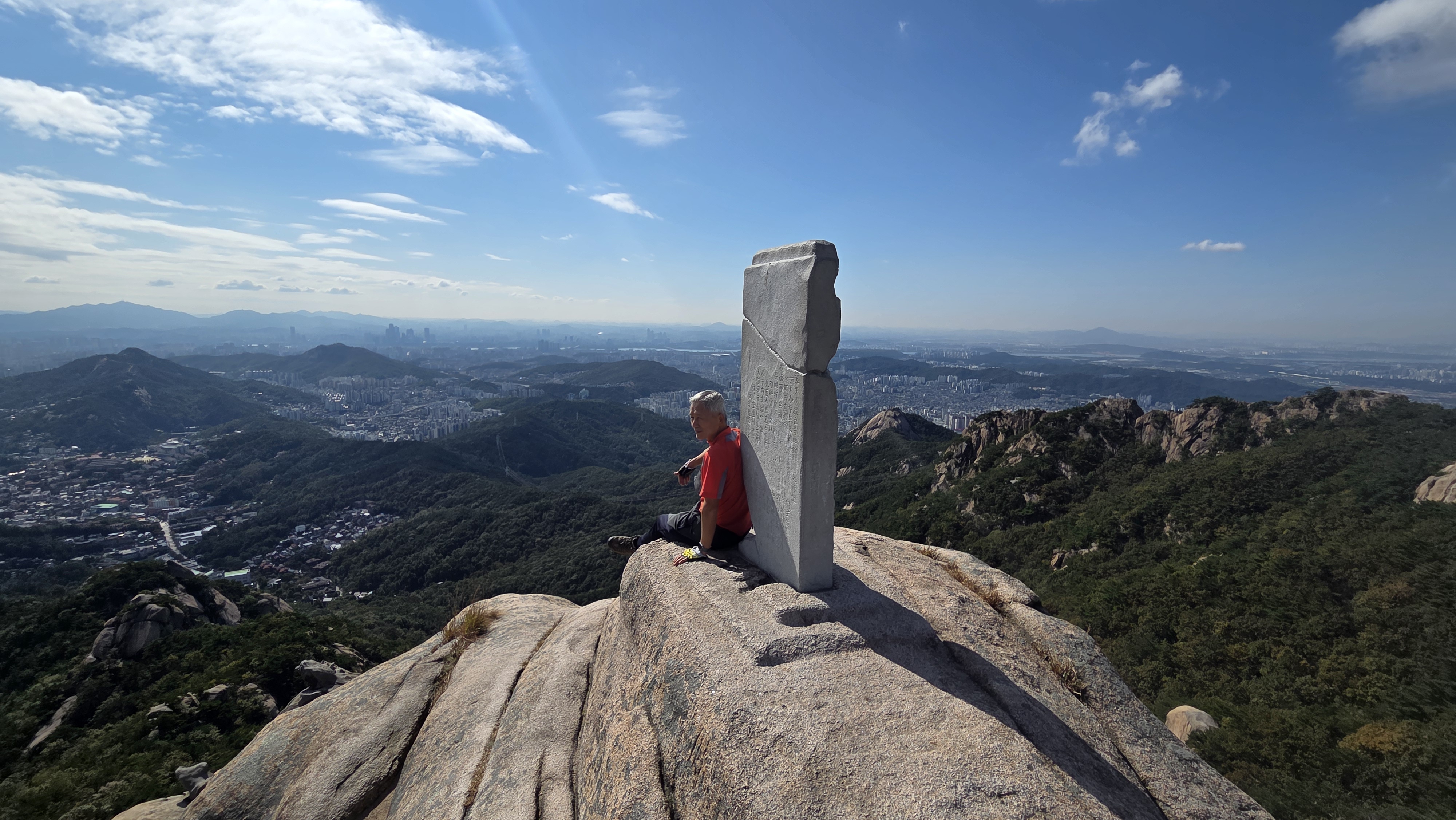 @Kihyung Choi - President of Sasyhoe
Historic Bibong Ridge Trail
📷 Historic stone monument on Bibong-Jokduribong and Hangnobong in the distant right
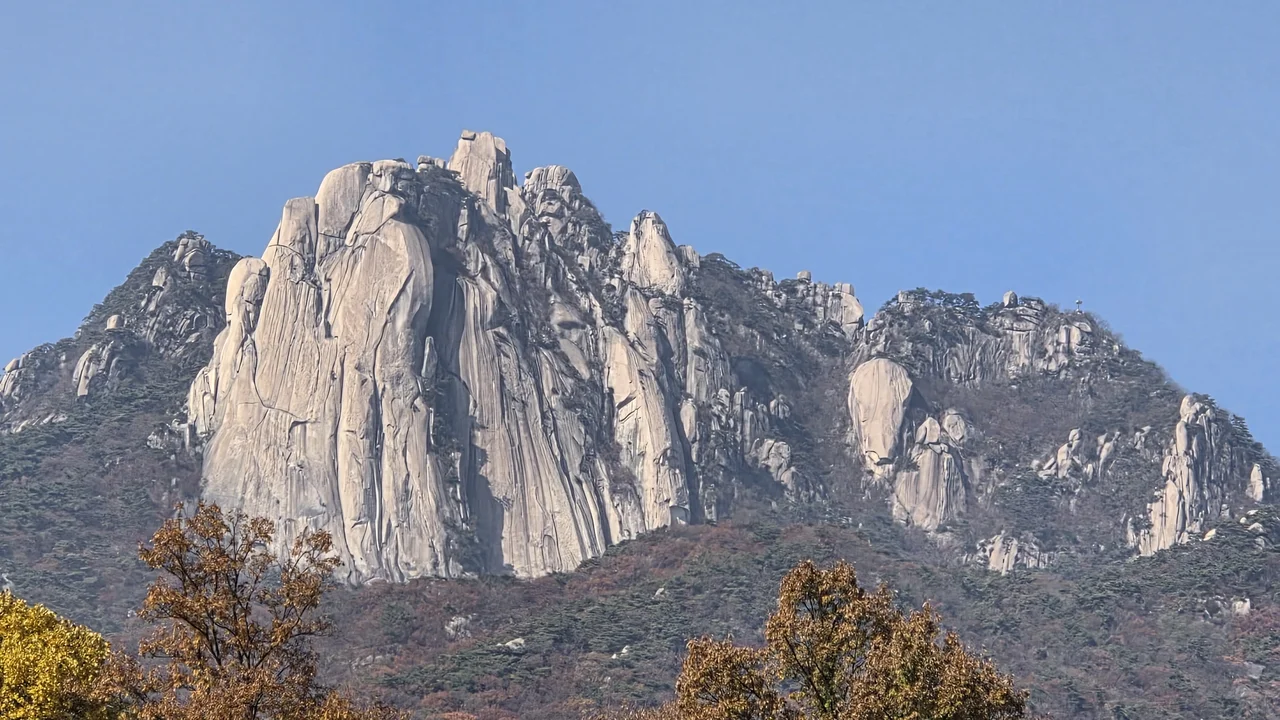
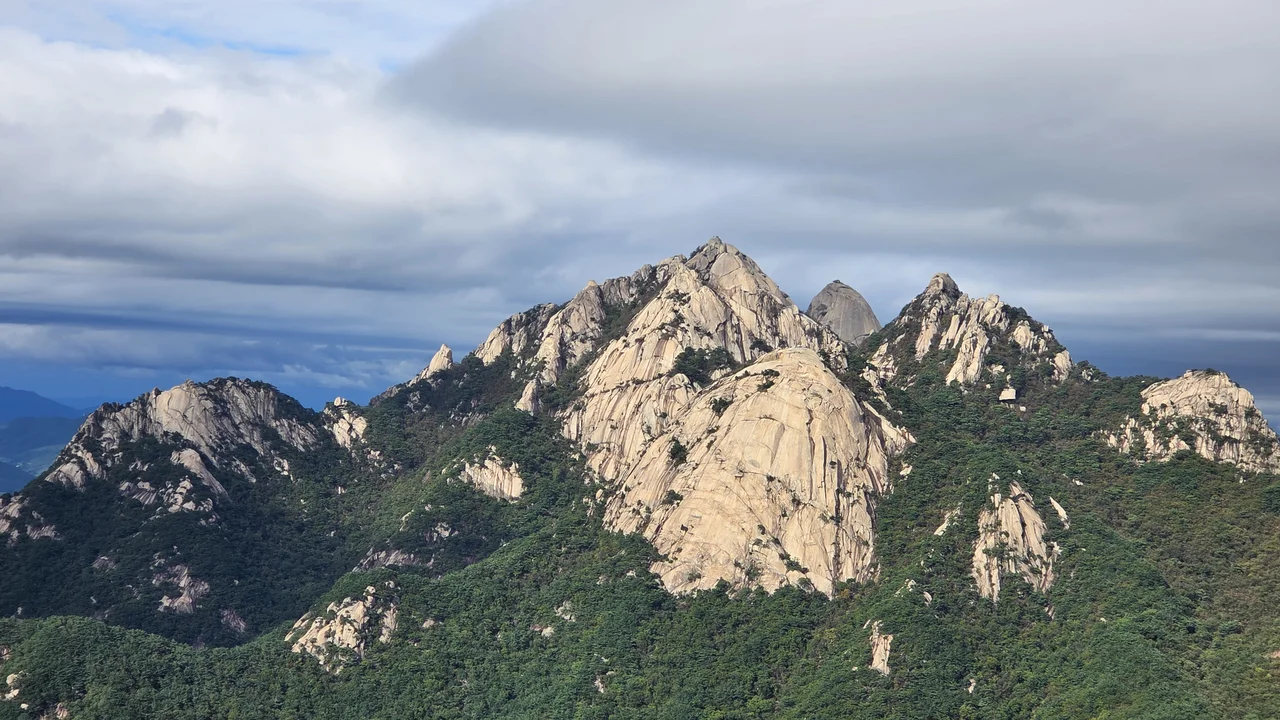
Thrilling Dobongsan Darak Ridge Trail
📷 Dobongsan (from the south)
4 trails · Moderate to Hard
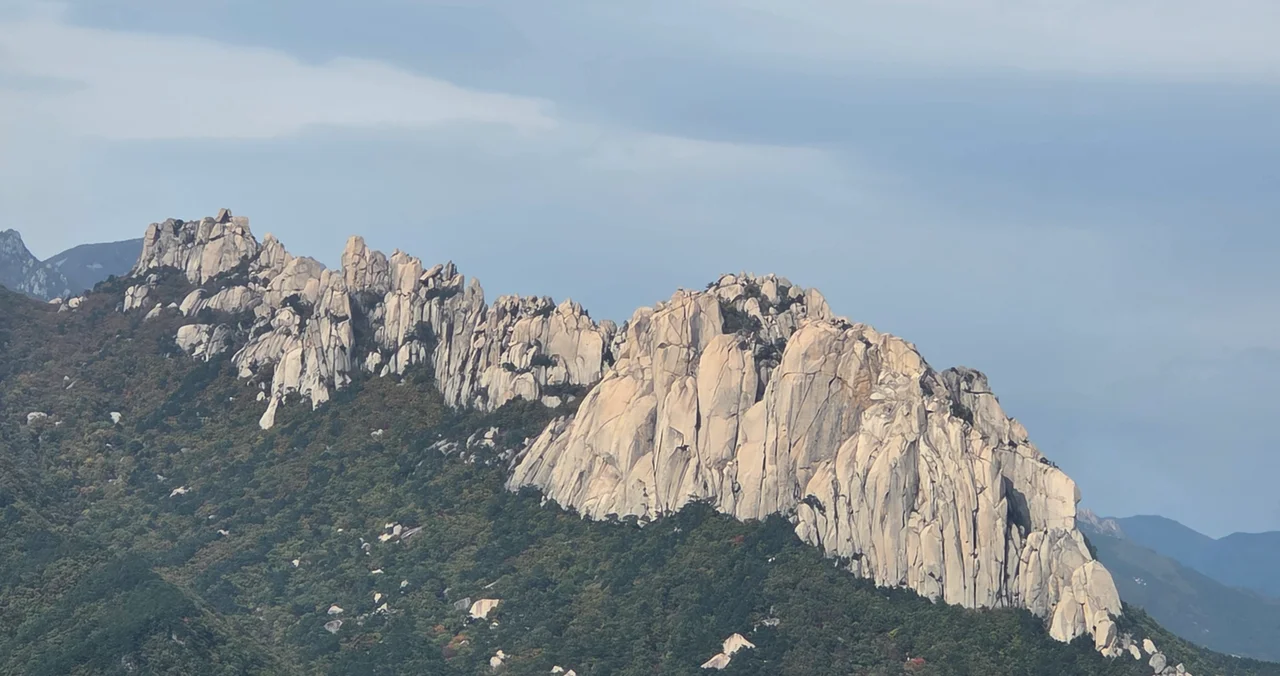
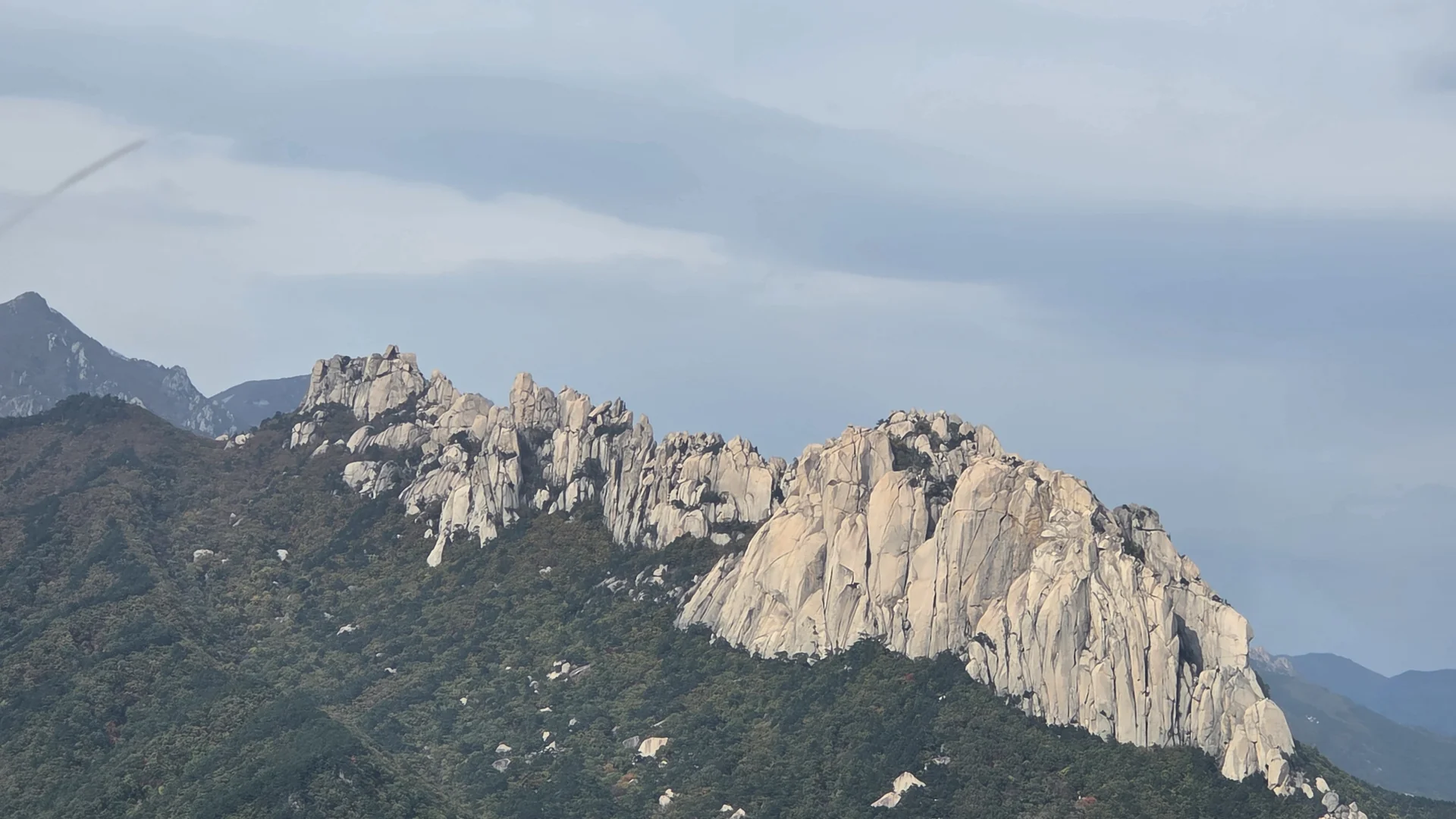
Ulsanbawi Rock (Day Tour)
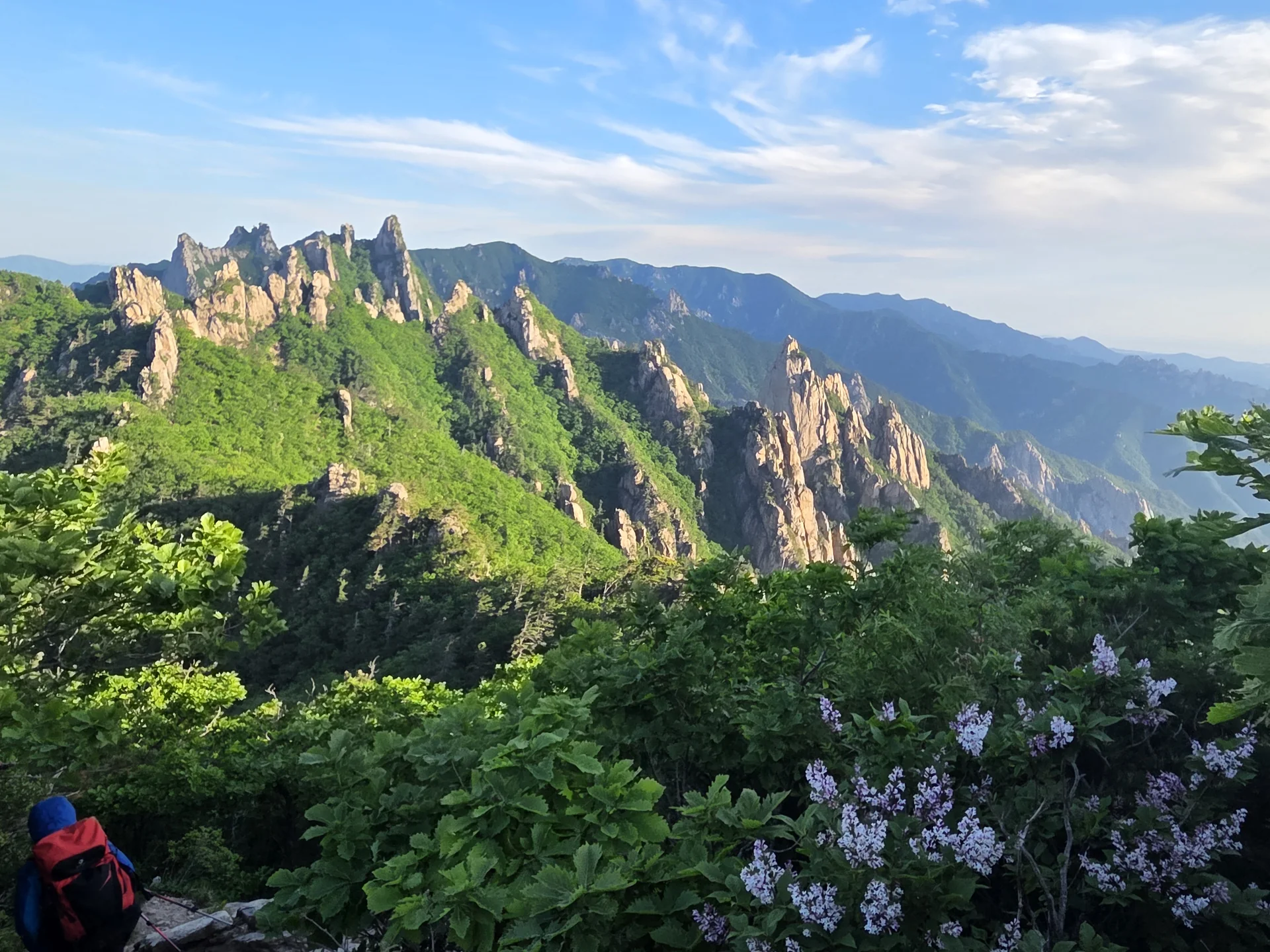
📷 Ulsanbawi
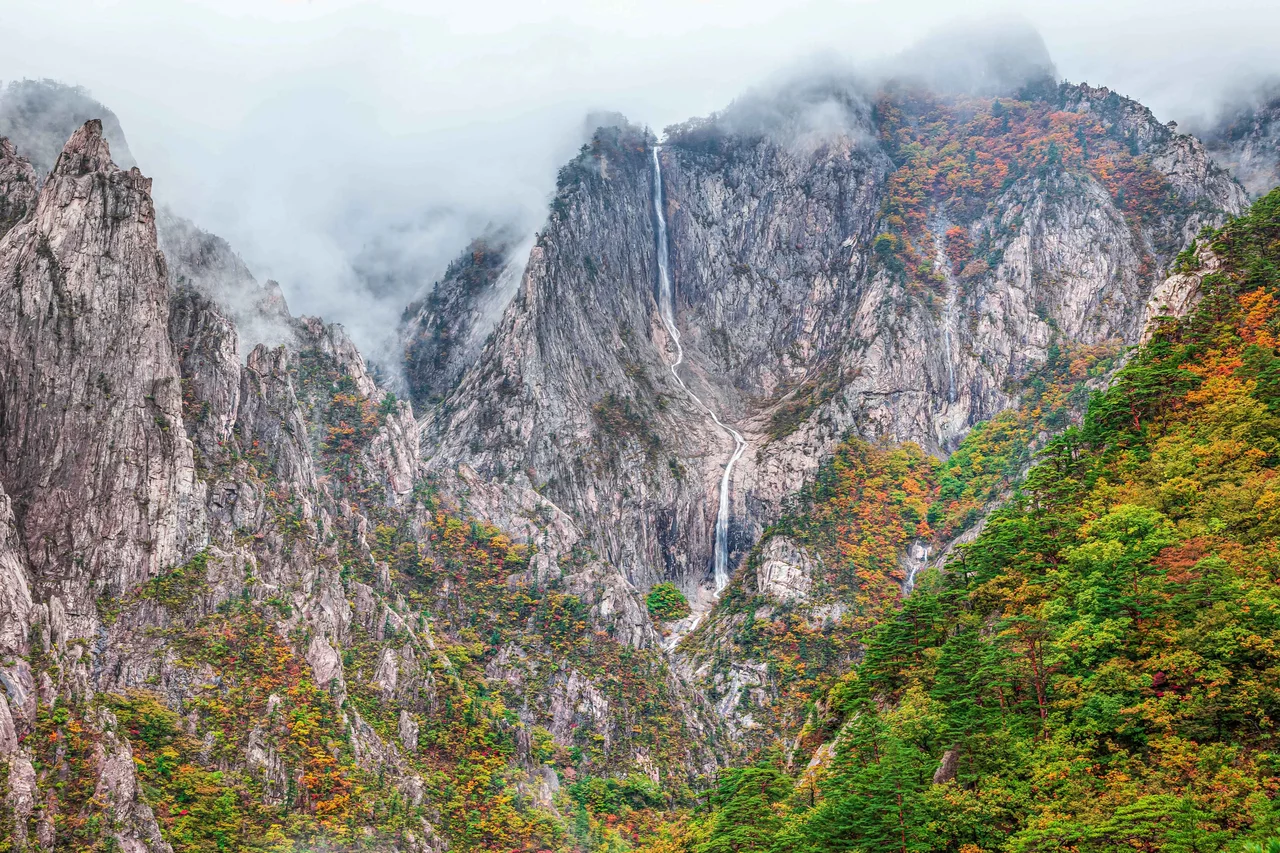
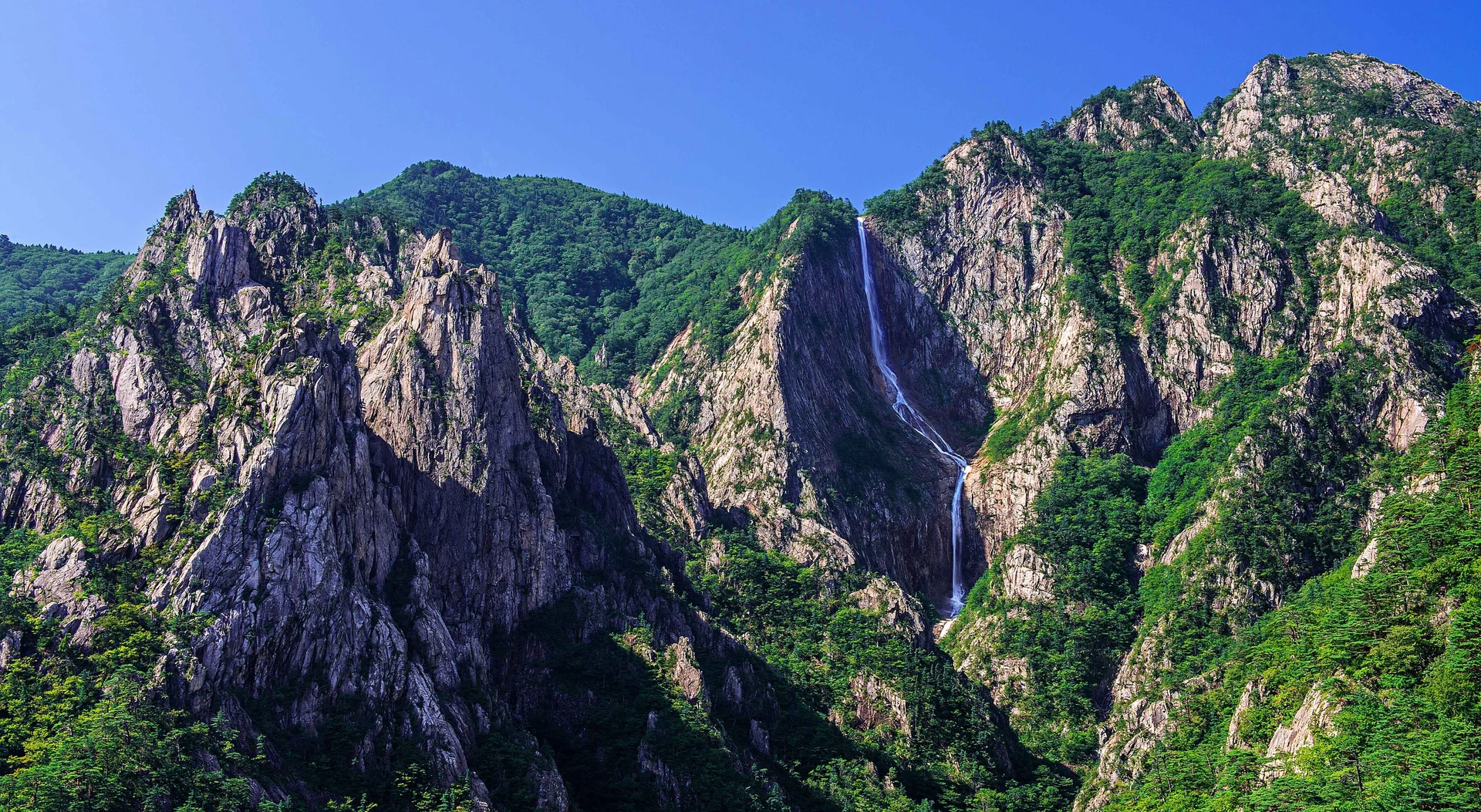
Towangseong Falls (Day Tour)
📷 @Korea Tourism Organization-Photo Korea-Yunchul Shin
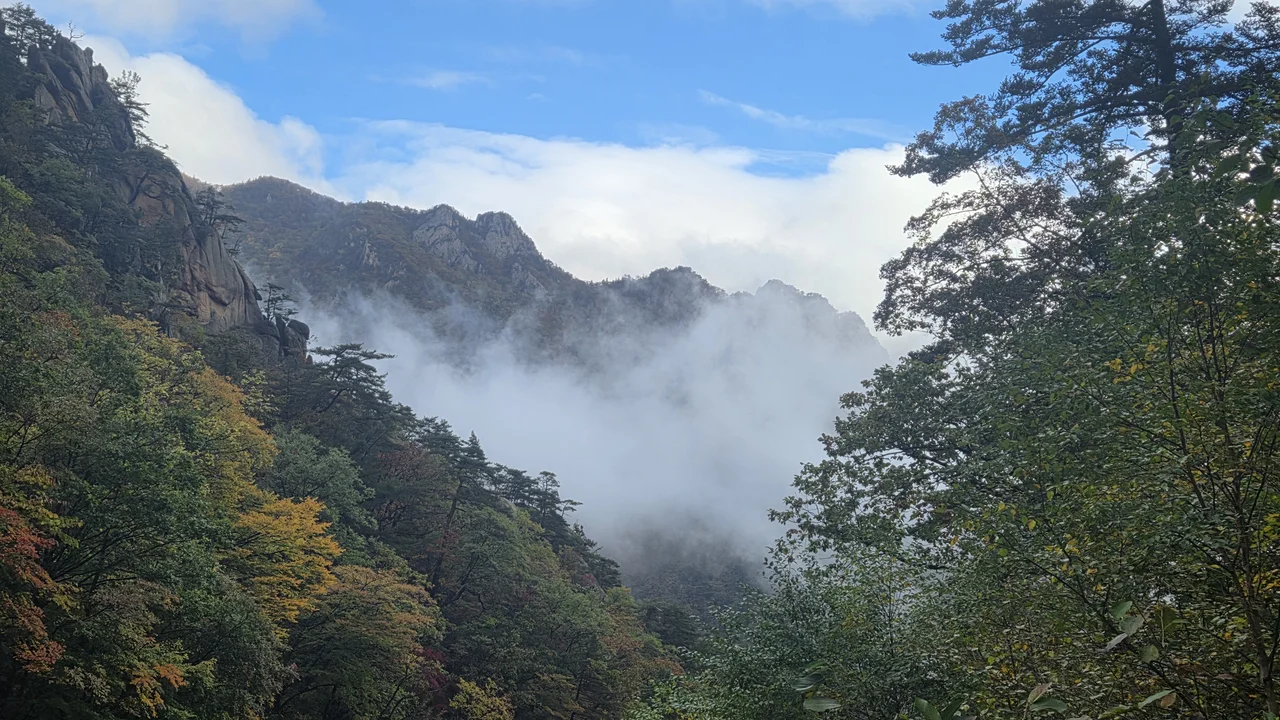
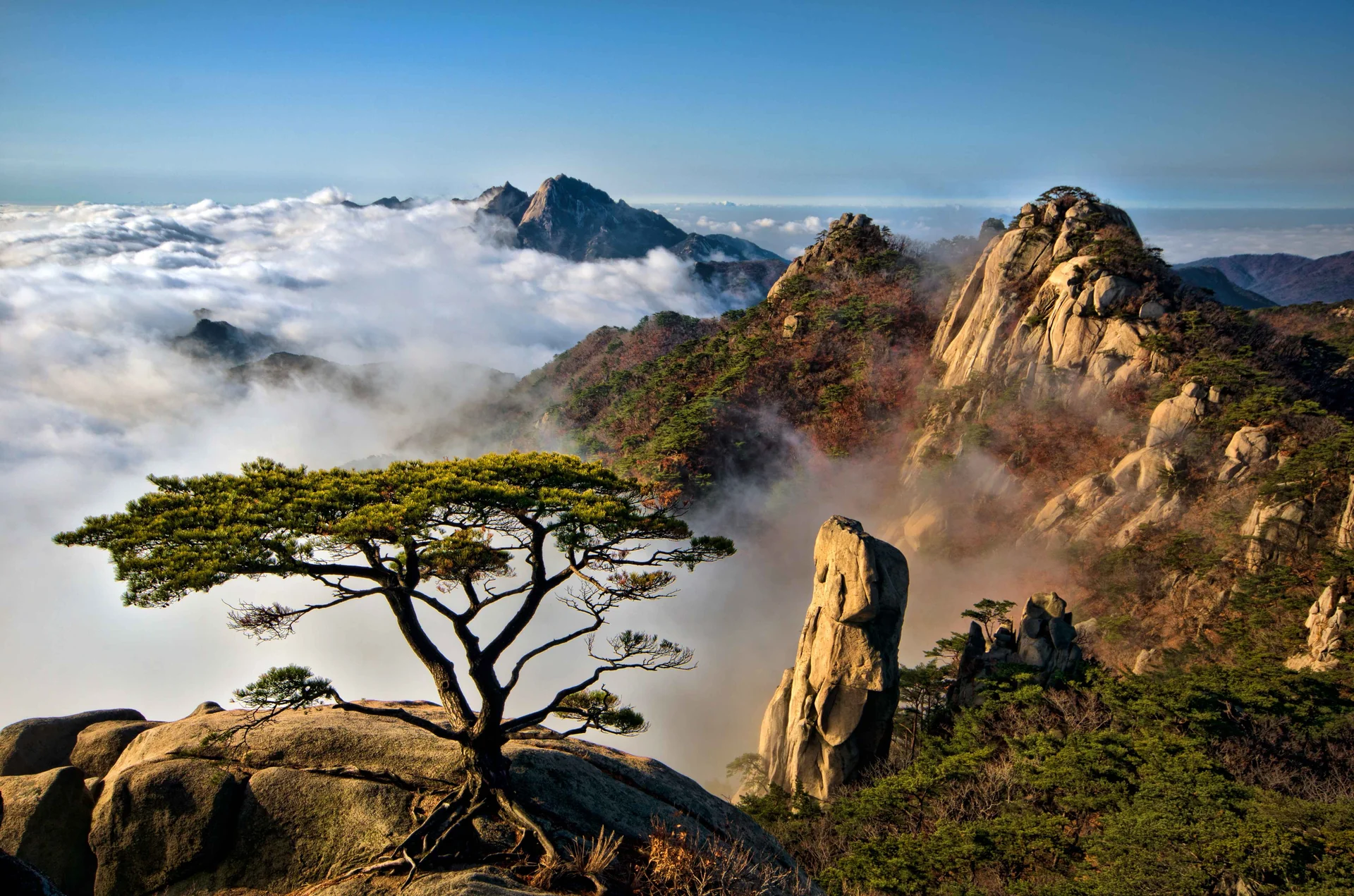
Heullimgol Valley (Day Tour)
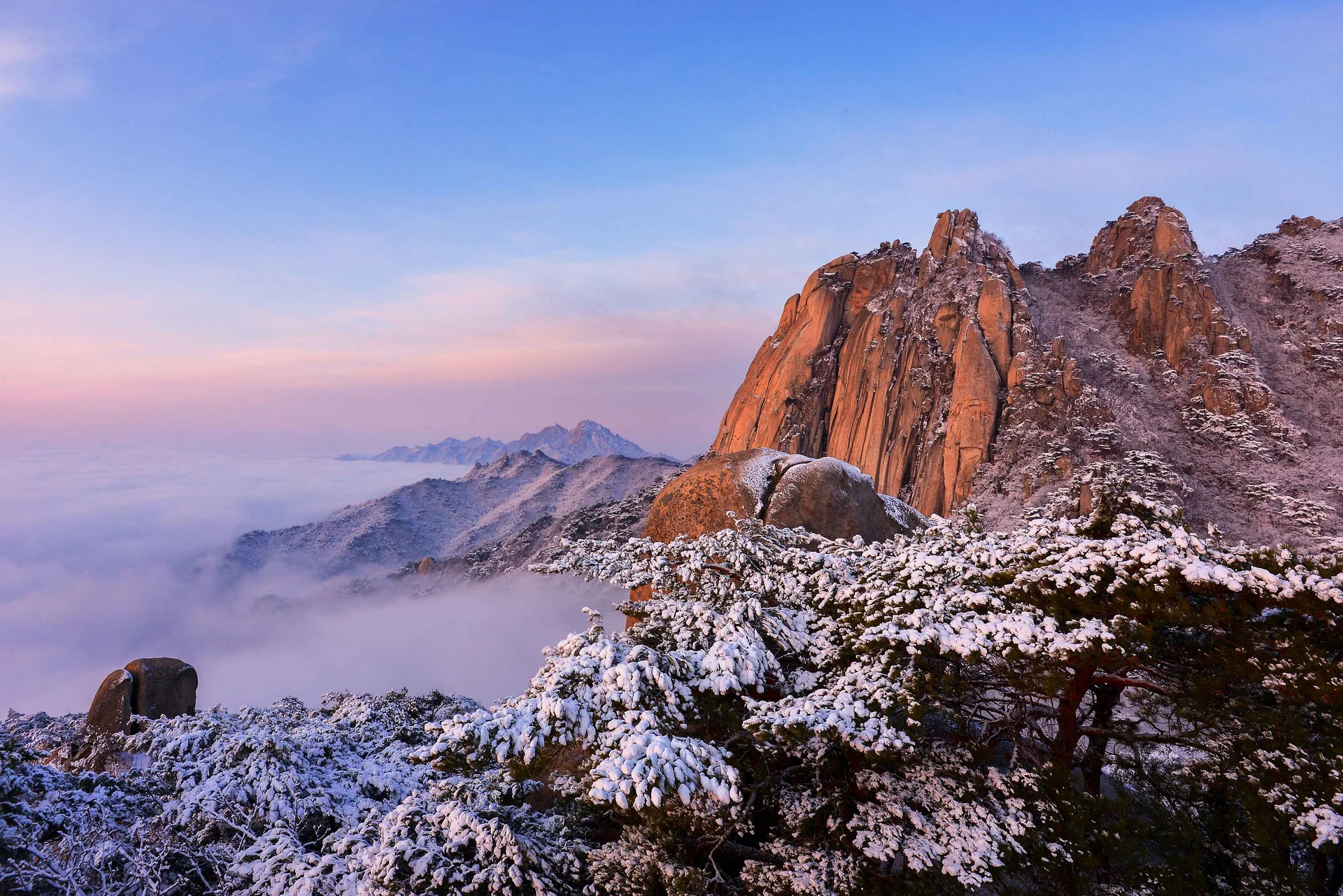
📷 Heullimgol — named after a valley where clouds flow
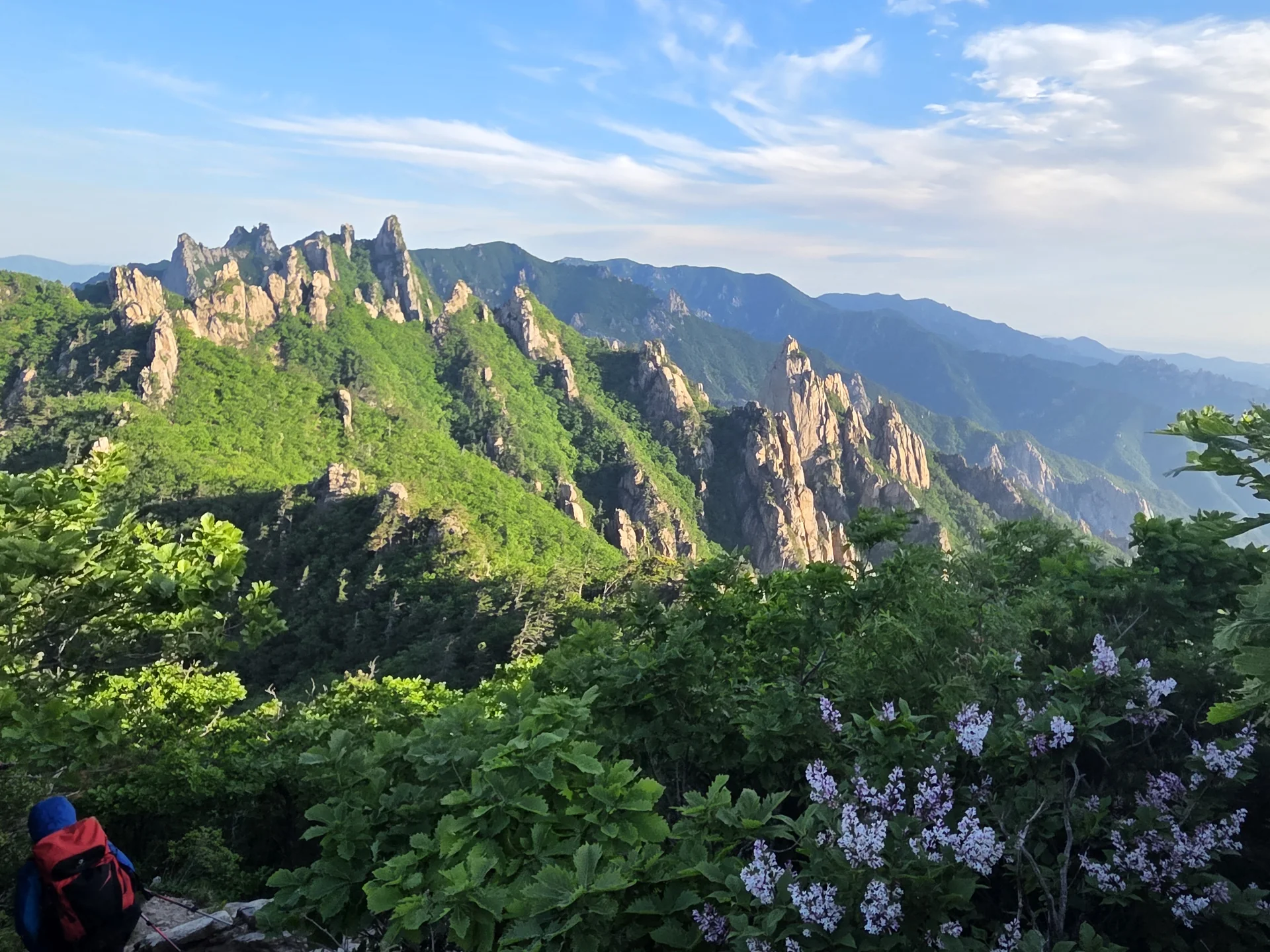
Daecheongbong & Dinosaur Ridge (2-Day Tour) 2-Day
📷 A much-photographed view of Dinosaur Ridge, with the entire ridge appearing in a single line, seen from Sinseondae
3 trails · Challenging
 The following images are courtesy of Seoul Climbing School
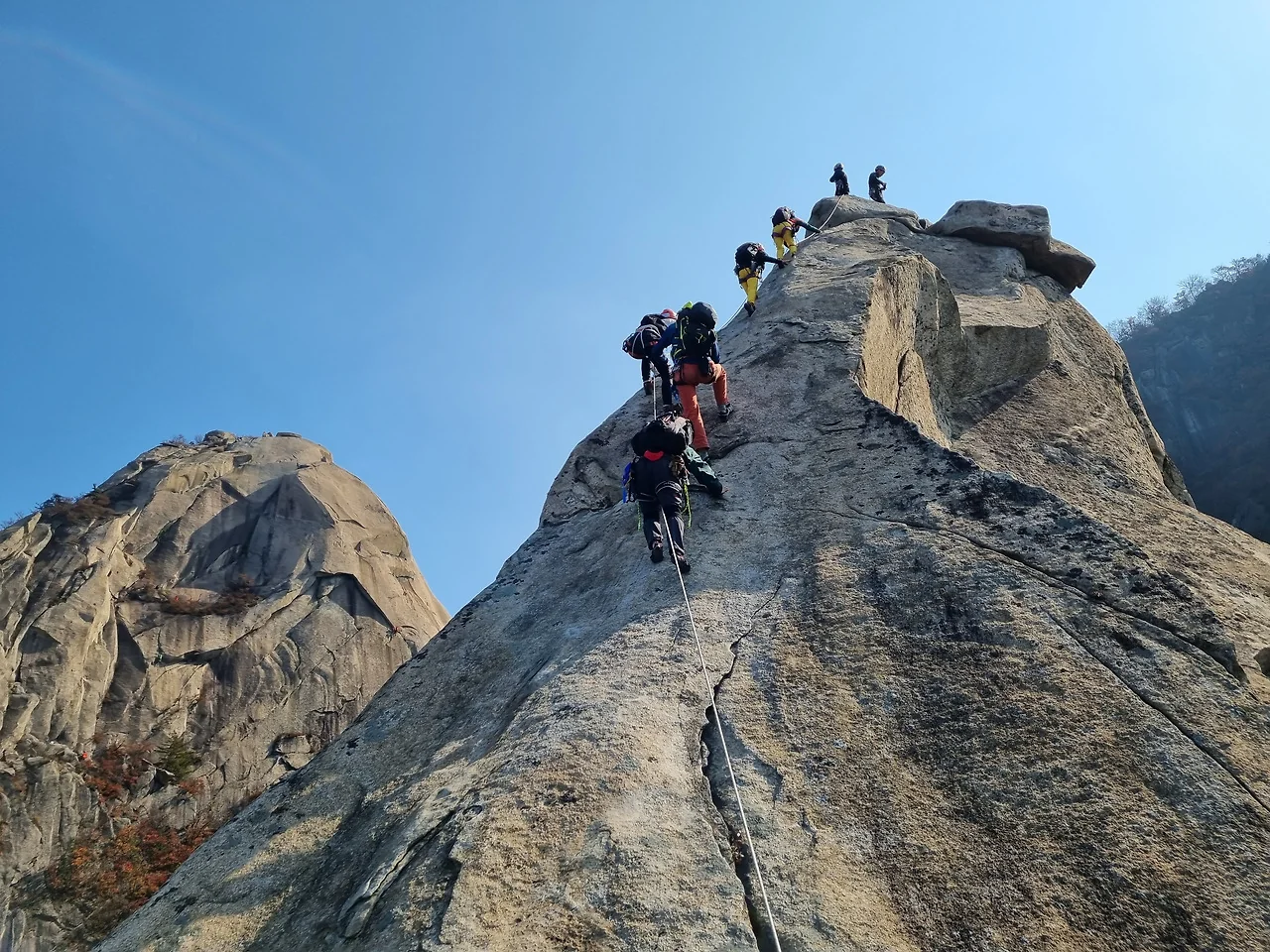
Hidden Wall ridge (Bukhansan)
📷 Pitch 5 - Whale’s Back Rock
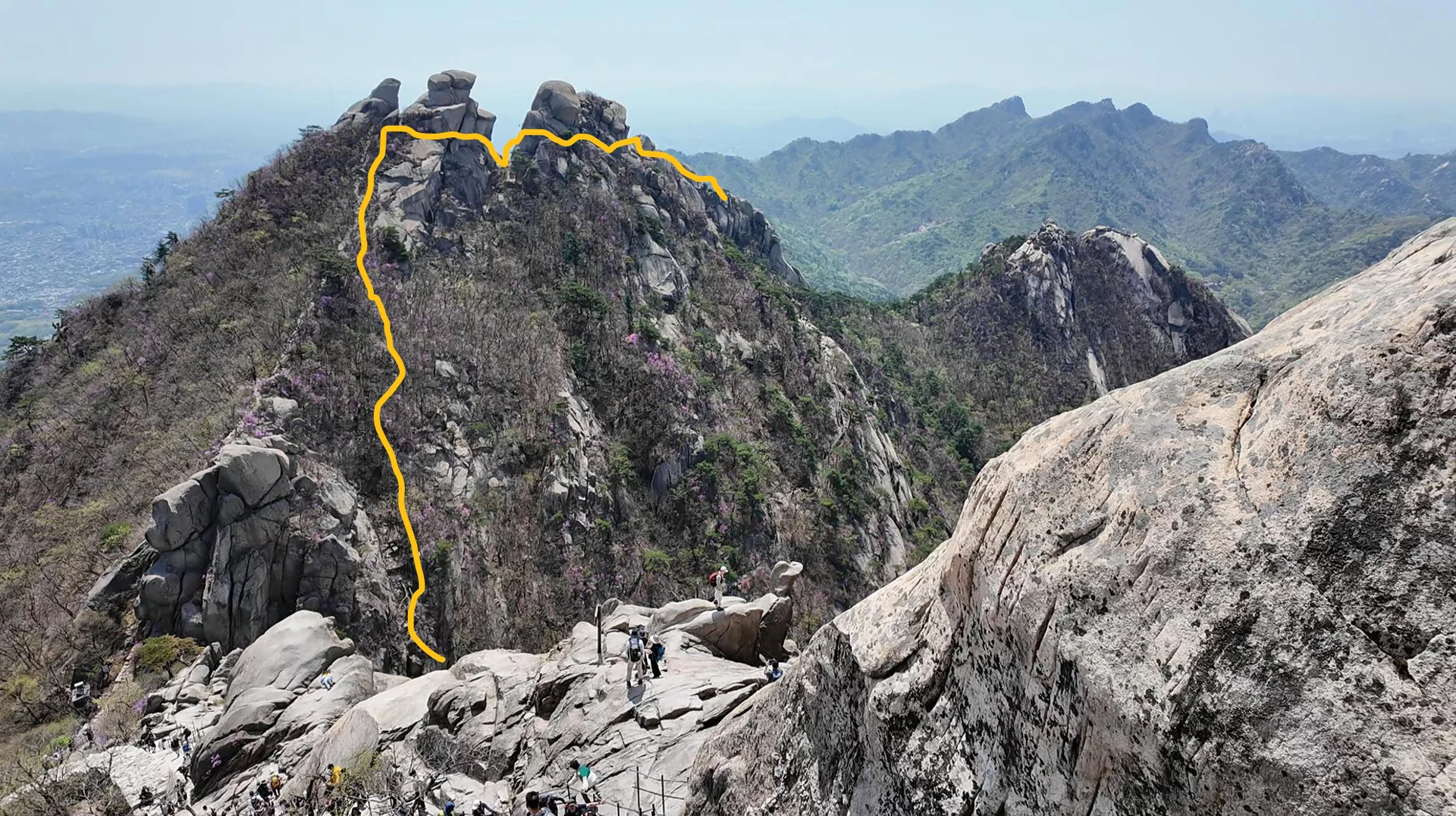
Mangyungdae ridge (Bukhansan)
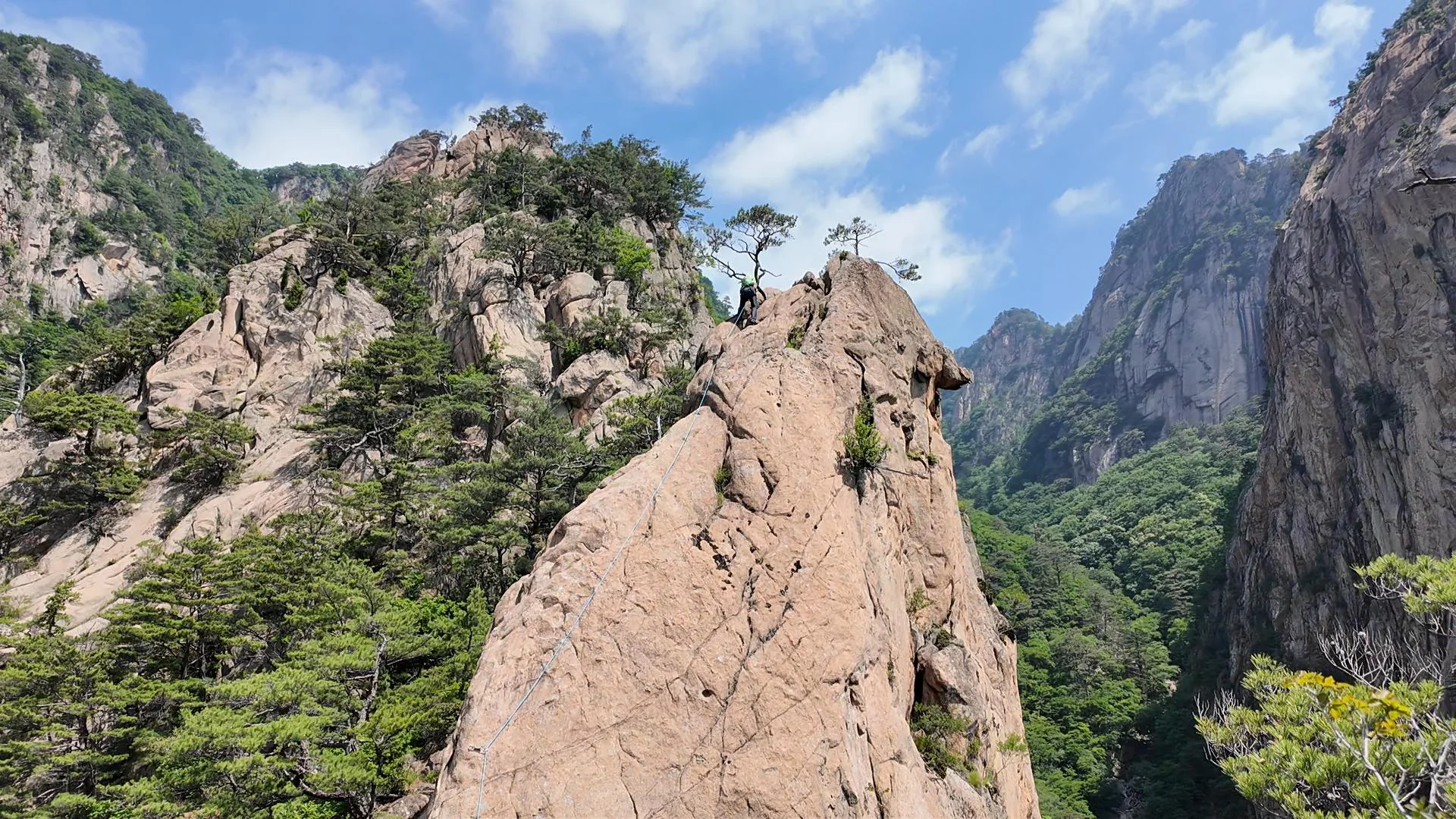
Dreamy Shangri-La ridge (Seoraksan)
📷 Leading Pitch 2 (center). The towering cliffs above the valleys on both sides deserve the award for Best Supporting Cast.
2 trails · Namsan, Muuido Island, Suraksan, and others
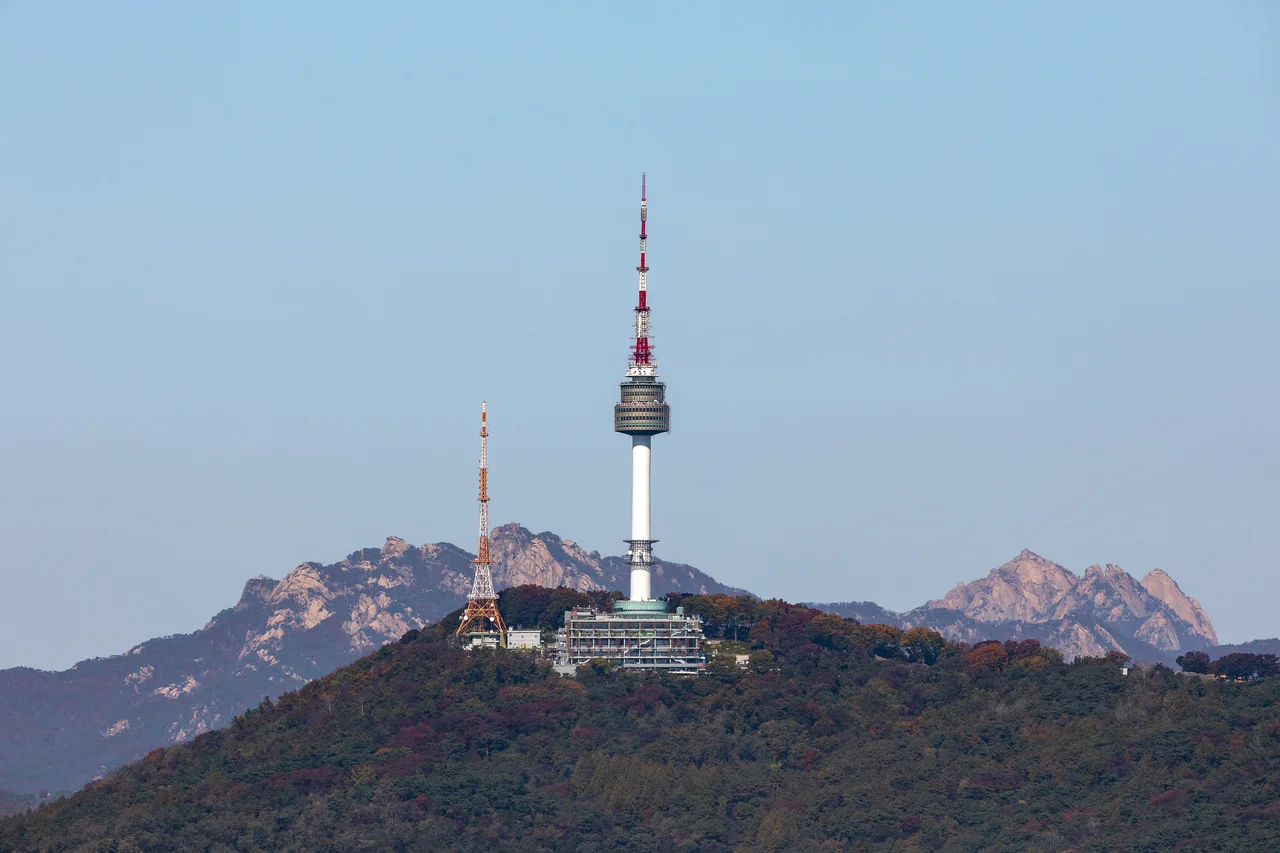
Namsan Dulle-gil Walk to N Seoul Tower
📷 Namsan, with Bukhansan in the distance. Source: Seoul Tourism Organization
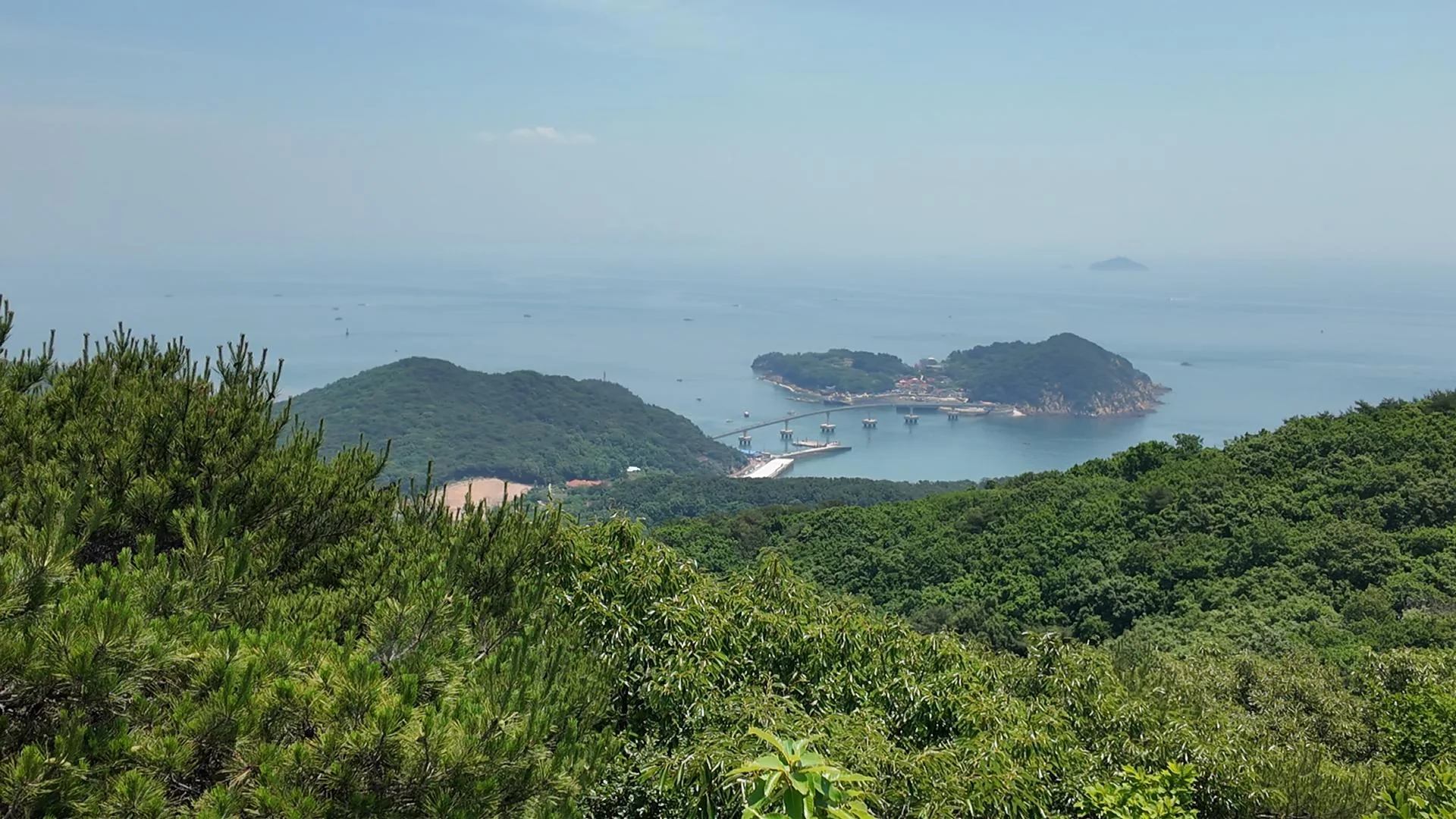
Muuido — Where Mountain Trails Meet the Sea
Fastest and most popular route to Baegundae
📷 From Baegundae, Insubong Peak dominates the view, with Dobongsan visible far beyond
Hidden Wall (Sumeunbyeok) to Baegundae
📷 A wedding photoshoot—all the way up here!
Stunning Uisang Ridge Trail
📷 The lower section of the Uisang ridge, resembling the spiked back of a dinosaur
@Kihyung Choi - President of Sasyhoe
Historic Bibong Ridge Trail
📷 Historic stone monument on Bibong-Jokduribong and Hangnobong in the distant right
Thrilling Dobongsan Darak Ridge Trail
📷 Dobongsan (from the south)
Ulsanbawi Rock (Day Tour)
📷 Ulsanbawi
Towangseong Falls (Day Tour)
📷 @Korea Tourism Organization-Photo Korea-Yunchul Shin
Heullimgol Valley (Day Tour)
📷 Heullimgol — named after a valley where clouds flow
Daecheongbong & Dinosaur Ridge (2-Day Tour) 2-Day
📷 A much-photographed view of Dinosaur Ridge, with the entire ridge appearing in a single line, seen from Sinseondae
The following images are courtesy of Seoul Climbing School
Hidden Wall ridge (Bukhansan)
📷 Pitch 5 - Whale’s Back Rock
Mangyungdae ridge (Bukhansan)
Dreamy Shangri-La ridge (Seoraksan)
📷 Leading Pitch 2 (center). The towering cliffs above the valleys on both sides deserve the award for Best Supporting Cast.
Namsan Dulle-gil Walk to N Seoul Tower
📷 Namsan, with Bukhansan in the distance. Source: Seoul Tourism Organization
Muuido — Where Mountain Trails Meet the Sea
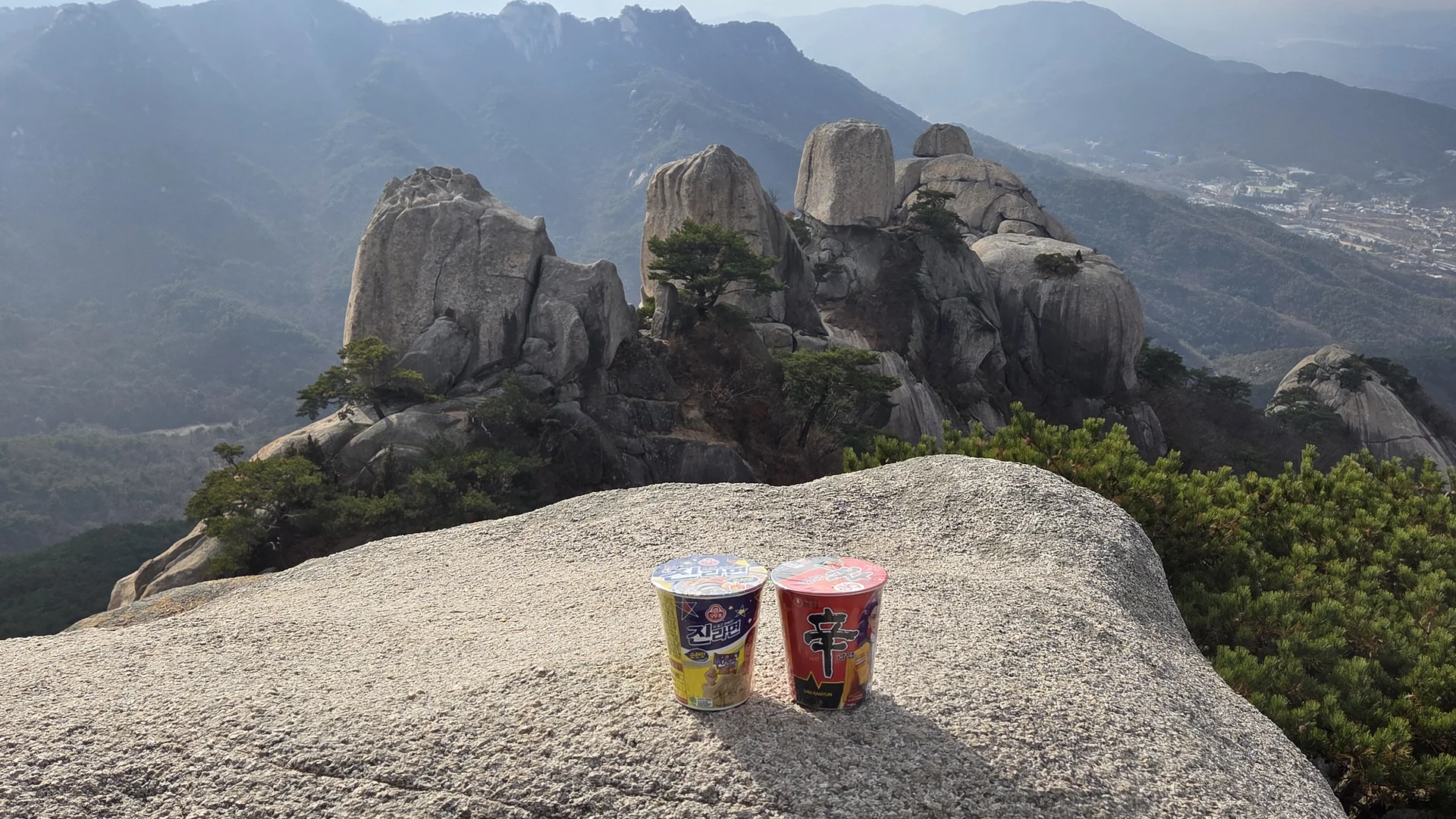
At the summit, Dr. K shares cup ramyeon and hot water from his backpack — a small but memorable way to celebrate the hike together.
Hot ramyeon at the top, with breathtaking views all around — a moment no restaurant can ever match.
Summit. Sharing. Memories.
Join a Free Hike50+ Years of Hiking Experience · Bukhansan Native & Seoraksan Expert · Free Guided Hikes
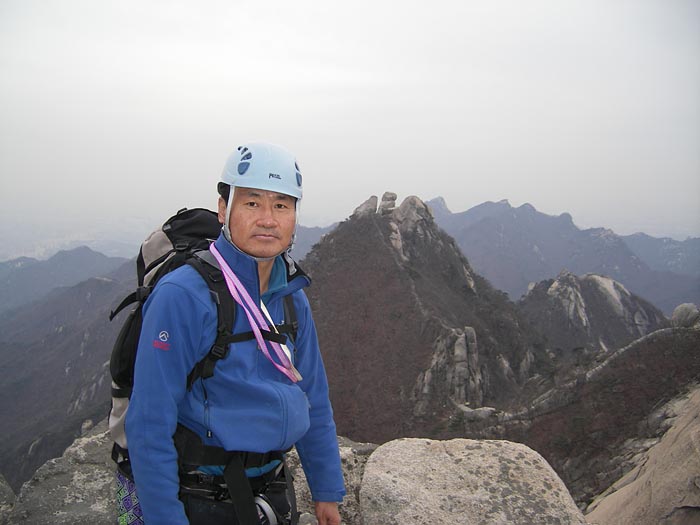
I'm Dr. K—a lifelong mountain enthusiast. Locals sometimes jokingly call me a "mountain doctor" because I've spent more than 50 years exploring Korea's mountains.
I grew up at the foot of Bukhansan, and even today I spend several days each week on the trails. While I earned a PhD from the Wharton School at the University of Pennsylvania, many of life's most valuable lessons have come from the mountains.
I started this hiking service with a simple goal: to help visitors experience Korea's mountains safely, comfortably, and free of charge. There are no fees or hidden conditions—just a shared love of nature and the joy of exploring together.
Most hiking trails in Korea are exceptionally well maintained, and thanks to abundant online information and hiking apps, even first-time visitors can usually hike independently without the need for a guide.
What I offer is something different. Rather than simply showing the way, I share the history, culture, and stories behind the mountains—bringing the landscape to life. After all, the more you know, the more you see—and the more deeply you experience.
And at the summit, we may celebrate with a warm cup of ramyeon—a simple Korean hiking tradition that somehow tastes even better in the fresh mountain air.
If you're ready to explore Bukhansan, Seoraksan, or beyond, I'd be delighted to share the journey with you.
You're always welcome to join me on the trail.
89 Years Young — Still Climbing Mountains
It was a brutally hot Sunday morning.
I ran into a hiker near the...
Today started with a heat wave.
A heat advisory had even been issued.
So... did I stay home?
Of course...
Have you ever found a place that feels like it belongs only to you?
This is mine.
Hidden near the summit of Dobongsan, it's where I...
Share and explore moments, stories, and memories from hikers on the trail.
Real stories from the trail — share your memories here.
Upload StoriesHave a question? We'd love to hear from you. Whether you're a traveler interested in hiking Bukhansan, Seoraksan, or other mountains in Korea, or an organization looking to collaborate, feel free to get in touch.
📧 hikebukhansan.drk@gmail.comLove hiking and meeting people from around the world? Become part of our volunteer team and help visitors experience Korea's mountains in a safe and meaningful way.
What you'll do:
Who we're looking for:
We are a volunteer-driven initiative dedicated to helping international visitors experience Korea's mountains safely, responsibly, and meaningfully.
If our mission resonates with you, you can support us by:
Your support allows more people to discover and enjoy the beauty of Korea's mountains.
📧 hikebukhansan.drk@gmail.com